
Cricket Betting in New Zealand: Who Can Take Your Bet and What the Odds Actually Cost
 Available in US

New Zealand treats sports betting as a state-licensed utility. Since 28 June 2025 an amendment to the Racing Industry Act 2020, section 74AAA, makes TAB NZ and its online sister brand Betcha the only operators who may lawfully offer racing and sports betting to a person in New Zealand. The Department of Internal Affairs told unlicensed providers serving New Zealand customers to withdraw with immediate effect. That single fact reshapes the rest of this guide: there is no licence register for bookmakers here because there is only one lawful provider, and offshore brands that New Zealand punters meet online are, by definition, breaking New Zealand law simply by taking the bet.
This page sets out who that monopoly is, how cricket’s three formats shape the markets punters meet, what a cricket betting app does and does not offer in 2026, and how the bookmaker’s margin sits inside every decimal price. The angle throughout is consequence: what follows from each rule, each market and each offer for the person putting money on the Black Caps or the next T20 World Cup.
Currency and source notes: data current as of October 30, 2026 and checked against the Department of Internal Affairs public statements and the TAB NZ and Betcha app listings on the New Zealand App Store.
Where Cricket Betting Stands Legally in New Zealand
The statutory framework: section 74AAA and the Racing Industry Act 2020
The Racing Industry Act 2020 establishes TAB NZ as the provider of racing and sports betting in New Zealand. The Racing Industry Amendment Act 2025 inserted section 74AAA into that Act, and the change took effect on 28 June 2025. The section reads, in plain terms, that no person other than TAB NZ may offer racing betting, sports betting or other racing or sports betting to a person in New Zealand, regardless of where that person is resident or incorporated. The Department of Internal Affairs, which monitors compliance under the Act, told providers serving New Zealand to withdraw with immediate effect.
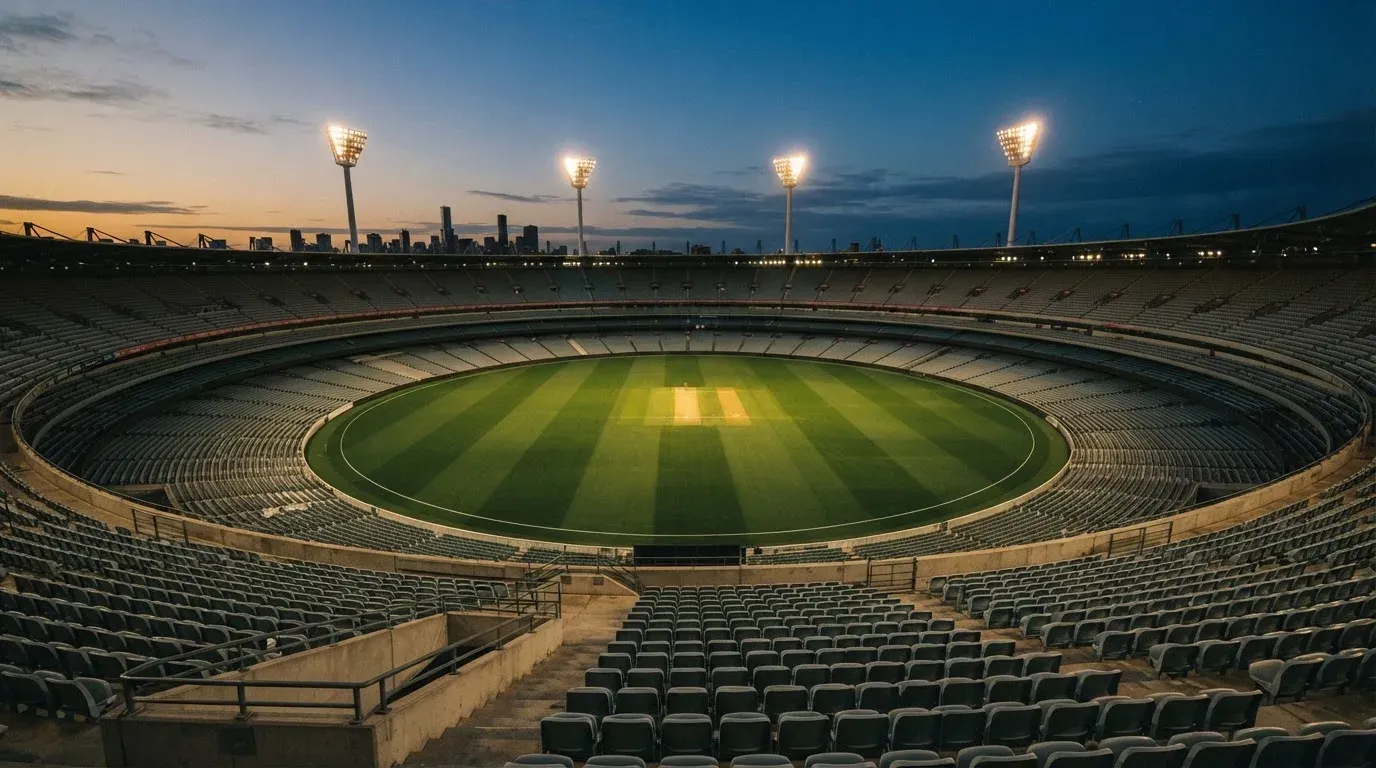
The law targets the operator, not the player. Section 19(4) of the Gambling Act 2003, inserted in 2025, says an individual may not be convicted for placing a bet with an offshore operator in breach of section 74AAA, and no source states a player penalty. DIA warns New Zealanders that offshore operators may be in jurisdictions with minimal consumer safeguards, may not return unspent credits and may not pay out large wins. The honest framing: TAB NZ and Betcha are the only lawful option, with New Zealand harm-minimisation tools, regulator oversight and a complaints framework. Offshore brands are unlawful for the operator to serve New Zealand, offer no New Zealand complaints route, and carry DIA’s stated risks.
Why there is no licence register to check against
New Zealand does not operate a licensing system for sports bookmakers the way the UK Gambling Commission or the Malta Gaming Authority does. There is no licence to apply for and no register to search, because the statute carves out a single provider. TAB NZ’s licence-equivalent is its statutory status under the Racing Industry Act 2020. From a punter’s perspective that means two things: any brand other than TAB or Betcha is, by the statute, not licensed for New Zealand, even if it holds a Curaçao, Anjouan or other overseas licence, and there is no document to download that “proves” an offshore brand is approved here, because no such document exists.
TAB NZ’s two online brands and the Entain partnership
TAB and Betcha are not rivals. They are the two online brands of TAB NZ, the trading name of TAB New Zealand. Betcha was first released on the New Zealand App Store on 6 August 2024, published by Entain New Zealand Limited. The TAB app, published by New Zealand Racing Board under the seller name TAB New Zealand, has been on the App Store since 8 September 2014. Both apps accept customers aged 18 and over, and both carry New Zealand harm-minimisation tools because they are one operator group with one set of obligations.
Entain runs the TAB business under a 25-year agreement signed in 2023. Under the deal Entain takes a 50/50 share of gross profits with TAB NZ, with at least NZ$150 million a year going to TAB NZ for the first five years, and Entain paid a one-off NZ$100 million to the racing sector at signing. The partnership is the reason the Betcha app exists and the reason both brands look like different products in the same stable group.
What may lawfully be bet on in New Zealand
Racing and sports, from TAB NZ. TAB NZ takes fixed-odds bets and tote (pool) bets, and its published betting rules set out bet types including Win, Place, Each Way, Quinella, Exacta, Trifecta, First Four, Double, Treble, Daily Double, Running Double, Quaddie and Big6, plus Multis and Same Game Multis where every leg comes from one event. Live betting is available inside both TAB NZ apps. There is no statutory per-bet cap and no published restriction on in-play markets; limits are TAB NZ’s own terms.
Two grey areas matter for cricket. Esports betting is not clearly defined as “sports betting” under the Racing Industry Act, so its status sits with TAB NZ’s own product policy rather than statute. Virtual sports are treated by the Online Casino Gambling Act 2026 as casino gambling, which is a different permit from betting. The Online Casino Gambling Act 2026 licenses online casino gambling only; TAB New Zealand winning the right to apply for a casino licence does not extend the betting monopoly. Greyhound racing is closing in stages from 1 August 2026, and from that date offshore operators may not take bets on greyhound races either. For cricket, none of those lines is in play.
Age, identity and account opening
The age for betting with TAB NZ is 18. Betting under 18 is an offence under section 89 of the Racing Industry Act 2020. Land-based casinos in New Zealand have a higher age limit of 20; the two numbers must not be confused. TAB NZ accounts require a verified New Zealand address and identity documents, so any punt that says it is “no-KYC” is by definition not a TAB NZ account. No statute says anything about VPN use or crypto at a betting account level; the law puts the obligation on the operator, not the customer’s connection.
Tax and what a player keeps
Inland Revenue’s published position is that recreational gambling winnings are generally not taxable in New Zealand, and prize money from TAB horse, dog and trotting races is not taxable. A person who bets as a business is a different case and must consult Inland Revenue or an accountant. That is general information rather than tax advice. On the operator side, TAB NZ pays the Problem Gambling Levy at 0.74%, in force from 1 July 2025 to 30 June 2028. Offshore operators supplying New Zealand residents pay online gambling duty, set at 12% of profits from 1 July 2024 and rising to 16% from 1 January 2027, but a duty being payable does not make an offer lawful, and writing that tax payment “proves” an offshore bookmaker is licensed in New Zealand is wrong.
Advertising, bonuses and what DIA does not allow
The Department of Internal Affairs reads section 74AAA as covering not just taking bets but promoting another operator’s ability to take bets from New Zealanders. The Advertising Standards Authority’s Gambling Advertising Code applies to betting advertisements: ads must not target children (under 14) or young people (14 to under 18), judged by context, appeal and expected audience, with a 25% or more significant-audience threshold where accurate data exists, must not encourage harm, and must be truthful with terms available. TAB NZ’s own “bonus bets” promotions run inside that frame; no New Zealand rule caps bonus size or wagering terms, so what applies to a TAB NZ bonus bet is whatever the operator’s own terms say.
Responsible Gambling Tools Available in New Zealand
What TAB NZ provides in its apps
TAB NZ’s two apps carry deposit limits, time-outs and self-exclusion, and an exclusion set on one brand applies across both TAB and Betcha because they are one operator group. The TAB app on the New Zealand App Store carries a 17+ age rating while stating that customers must be 18 or over to bet, reflecting the difference between the store’s rating scheme and the law’s age threshold. Trackside live race streaming is built into the app with in-app betting, and racing form, Blackbook and Jockey Challenge tools sit alongside a simplified wallet for deposits and withdrawals. The same wallet logic applies on Betcha, which is built for a faster, mobile-first audience.
The harm-minimisation framework behind those tools is statutory. TAB NZ must keep the risks of problem and underage gambling minimised, and pays the Problem Gambling Levy of 0.74% to fund treatment and prevention services. The Problem Gambling Levy is in force from 1 July 2025 to 30 June 2028, which is the funding horizon for the current set of services.
The national helpline and what a punter can actually call
TAB NZ lists the free Gambling Helpline on 0800 654 655 and the text line on 8006 inside its apps. The service is the same one the Department of Internal Affairs points people to. Safer Gambling Aotearoa is the public-facing programme that runs alongside the helpline, with online resources, self-assessment tools and referrals to counselling. There is no single national online-betting exclusion register comparable to the UK’s GamStop; the register the Online Casino Gambling Act 2026 will require is for online casinos only, not betting. Setting a TAB NZ self-exclusion is the practical route for a New Zealand punter who wants to step away.
What offshore brands are not obliged to give
The offshore brands reviewed further down this page, Roobet, FunBet, Alawin, Golden Panda, Glorion, LegendPlay, Sportaza and RoyalistPlay, name licences in Curaçao, Anjouan and the Tobique Gaming Commission. None of those regimes imposes New Zealand-specific harm-minimisation tools, and none routes a complaint back to the Department of Internal Affairs. Where DIA has published warnings about overseas operators, they list the absence of New Zealand consumer safeguards, the risk that unspent credits may not be returned and the risk that large wins may not be paid out. Those warnings describe exactly the gap the tools on TAB NZ close.
Crypto, Anonymity and Cricket Betting
What the New Zealand statute actually says about payment method
The Racing Industry Act 2020 and the Gambling Act 2003 do not contain a rule about which payment method a betting customer uses. There is no statutory rule that says a punter cannot pay with crypto, no rule that says a punter must use a bank account, and no payment-blocking order requiring banks to decline betting deposits. What the statute says is that only TAB NZ may take the bet in the first place. TAB NZ’s own deposit methods and limits are operator-level terms, not statute, and come from the operator’s own published rules. Crypto acceptance is not the same question as TAB NZ acceptance, and the two questions must not be conflated.

TAB NZ account opening requires a verified New Zealand address and identity documents, which means a TAB NZ account is not anonymous, regardless of how it is funded. Nothing in New Zealand statute creates a category of “anonymous betting” inside the monopoly, because no offshore brand can offer it lawfully and TAB NZ’s own onboarding is verified.
Why “best bitcoin cricket betting” is a category the statute does not recognise
The semantic cluster around “best bitcoin cricket betting” describes brands that take bets in Bitcoin or other cryptocurrencies. Those brands are useful to read about because New Zealanders encounter them through search and through affiliate sites, and the offshore brands reviewed below are taken from that list. None of them is lawful in New Zealand under section 74AAA, regardless of which coin they accept. A crypto payment does not convert an unlawful offer into a lawful one, and the presence of a Curaçao or Anjouan licence does not give the brand a right to take bets from a person in New Zealand.
For a New Zealand punter, the practical question is whether the brand will pay out a winning bet, not whether the brand is legal. Offshore brands operating outside New Zealand’s regulator may not return unspent credits and may not pay out large wins, and that risk sits on top of the legal risk of placing the bet in the first place. DIA’s published warnings describe that exposure precisely.
Where a crypto operator’s terms actually say cricket is offered
The offshore brands on the reviewed list describe their sportsbook coverage as covering football, basketball, tennis, ice hockey, baseball, American football, volleyball, rugby, table tennis, Counter-Strike, FIFA, MMA and other major sports. None of the reviewed brands’ own terms specifically lists cricket among the top sports shown on its home page. That is a read of the listed offer, not a statement about cricket’s availability on a deeper menu, and the right way to find out whether a brand takes cricket bets is the brand’s own sportsbook. What the home page shows is what the brand wants a casual visitor to see first, and cricket is not on that list for any of the offshore brands reviewed here.
Mobile Apps for Cricket Betting in New Zealand
What TAB NZ’s app does and where it sits on the App Store
The TAB app on the New Zealand App Store is published under the seller name New Zealand Racing Board, was first released on 8 September 2014, and carries a 17+ age rating while stating the betting age is 18. It covers horse and harness racing, rugby union and rugby league and other sports, both pre-match and live, and includes Trackside live race streaming with in-app betting, racing form, Blackbook and Jockey Challenge tools, and a simplified wallet for deposits and withdrawals. Cricket sits in the “other sports” category; the sportsbook is general rather than cricket-first.
Betcha, published by Entain New Zealand Limited, was first released on 6 August 2024 and is the second TAB NZ online brand. It is the newer of the two apps and is built for a mobile-first audience, with the same wallet and harm-minimisation tools behind it. From a punter’s perspective the choice between TAB and Betcha is a choice of interface and product mix, not a choice of bookmaker, because they are one operator group.
Why offshore apps are not a comparable product for a New Zealand punter
The offshore brands reviewed below publish apps in some markets but are not listed on the New Zealand App Store, because Apple and Google restrict gambling apps by jurisdiction. A New Zealand punter downloading one of these apps does so outside the App Store, and the resulting account is verified against the brand’s own documents rather than against New Zealand identity checks. That removes a layer of consumer protection the TAB NZ apps carry by default. It also removes the New Zealand complaints route, which means a dispute over a payout ends at the brand’s own customer service, with the regulator sitting in Curaçao, Anjouan or the Tobique Gaming Commission rather than in Wellington.
Practical features a cricket punter checks for in any app
Four features matter once an app is on the phone. Live in-play betting with markets that update ball by ball in T20 and over after over in ODIs. Cash-out, which lets a punter lock in a profit or cut a loss before the market closes; Sportaza’s terms confirm cash-out is offered before an event or market is finalised. A bet builder for same-game multis where every leg comes from one match, with Sportaza’s terms stating that if one selection is void the whole betslip is void. And the ability to deposit and withdraw in a way that does not stall throughout a tournament window, which is a wallet question rather than a sportsbook question.
Live Betting and Cash Out on Cricket
What “live” means for a cricket match
A Test match can run for up to five days, with up to four innings (two per side) and a minimum of 90 overs scheduled per day, which means live betting on a Test stretches across sessions, days and innings breaks. An ODI is shorter and tighter: each side bats a fixed 50 overs, with the Duckworth-Lewis-Stern method used to set a target or result in rain-affected matches, and a match abandoned after fewer than 20 overs usually declared a no result. A T20 is the shortest form, with each team batting a maximum of 20 overs (120 legal deliveries), a bowler restricted to four overs and a tied match decided by a super over.
Each format produces a different live-betting rhythm. Tests reward patience and a model that prices session-by-session momentum. ODIs trade momentum shifts at the fall of wickets and at the powerplay boundaries. T20s are dense: 120 balls a side, markets that swing ball by ball, and a result possible inside three and a half hours. TAB NZ’s apps list live betting on sports generally; the platform does not publish a per-format live schedule, so the way to find out which cricket markets are live right now is the app itself.
How cash out changes the math
Cash out lets a punter settle a bet before the match ends, at a price the bookmaker offers. The price is built from the current state of the match and the bookmaker’s margin, and it is never as good as the price a punter can obtain by holding the bet to settlement on a winning position. That is the cost of locking in a profit before the close. Sportaza’s terms confirm cash-out is available before an event or market is finalised, which is the standard description.
For cricket, cash out matters most in formats where momentum shifts quickly. A T20 collapse with five wickets in three overs changes the odds on the chasing side dramatically, and a punter holding a back bet on the team now chasing can cash out at a fraction of the full return rather than wait for the chaos to resolve. The trade-off is the margin the bookmaker builds into the cash-out price.
What TAB NZ’s own in-play offer covers
The TAB NZ apps list live betting on sports, including cricket. There is no published restriction on in-play markets specific to cricket, and the betting rules do not carve cricket out of the in-play list the way some regulators’ rules do. Limits, market depth and suspension rules throughout, for example, a rain delay in an ODI, are TAB NZ’s own terms and are not published as a public schedule.
Why an odds movement matters more in cricket than in most sports
A red-ball Test moves slowly, and odds on the outright result drift over days rather than minutes. A T20 moves fast, and odds on the next ball, the next over and the next wicket move with the score. A punter watching a T20 live sees the bookmaker’s margin sit inside every micro-movement, which means a sequence of small live bets accumulates margin faster than a single pre-match bet. That is the practical reason live betting reads as more expensive than pre-match betting on a per-unit basis: the prices update so often that the margin applies that many more times.
Predictions, Tips and Where a Punter to Look
What a cricket tip actually offers
A cricket tip is a forecast: a prediction that a team will win, that a batsman will pass fifty, that a bowler will take three wickets, or that the total will go above a published line. The forecast is an opinion backed by form, head-to-head records, pitch report and sometimes a model. It is not a probability that an odds price can be set against, because the bookmaker has already priced the outcome and the tip is the tipster’s view of whether the price is too long or too short. A tip that says “India to win” without an odds number attached is a marketing line, not a forecast, and the right question to ask of any tip is: at what price is this a value bet?
Where the search “best cricket betting predictions” actually leads
The search cluster around best cricket betting predictions, best cricket betting tips sites, bet tips free cricket and betting tips on cricket describes a market of tipsters, affiliate sites and prediction platforms, some free and some paid. None of these is licensed in New Zealand under section 74AAA, because no third party may offer betting services in New Zealand and a tip is not a betting service. The classification matters less than the practical point: a New Zealand punter is paying for an opinion, and the quality of that opinion is what matters.
Three checks separate a usable tip from noise. First, is the tipster’s record published with a closing line, so a tip can be judged against the price available when the tip was made, not the price after the match settled. Second, does the tipster specify the market, not just the team, because “India to win” at 1.50 is a different value call from “India to win the tournament” at 6.00. Third, is the tipster’s staking advice realistic; a tipster who recommends ten percent of a bank per bet is recommending a path to ruin for any bettor whose edge is closer to five percent.
Why no one can predict a cricket match with certainty
Cricket is a long-form sport played on a surface that changes by the session and by the day, with conditions that swing between bat and ball over the course of a Test match. A toss, a delayed start, a wet outfield and an injury in the warm-up all change the model. A prediction is a probability, and a probability is not a certainty. The bettor who acts on a “sure” tip loses money on the tipster’s word, because no outcome is knowable in advance and the bookmaker’s margin is built to extract value from the bettor’s certainty.
Strategy in plain words
Bankroll management is the boring machinery that keeps a punter in the game. Set a bank; set a unit as a small percentage of the bank, often one to three percent; place bets at one or two units; never chase a loss by raising the unit. Value betting is the underlying idea: back an outcome when the price available is longer than the probability the outcome justifies. Form and conditions do the forecasting work: recent results, head-to-head, venue, pitch report, weather, team news, and the toss in formats where the toss decides who bats first.
The bookmaker’s margin sits inside every price, and a punter who does not compare prices across the small set of brands on offer pays more margin than necessary. With TAB NZ and Betcha the comparison is between the two brands of the same operator; with offshore brands the comparison is across brands that are, by New Zealand statute, unlawful for the operator to serve New Zealand. The arithmetic is the same even when the legal status is not.
Bet Types and How Cricket Odds Are Built
The main bet types a cricket punter meets
Match result: back the side to win, with the draw in Tests as a third selection. Top batsman and top bowler: pick the player who will score the most runs or take the most wickets for their side in a given innings or match. Total runs: back the side to score above or below a published line. Individual player runs: back a player to pass a run threshold, often fifty or one hundred. Method of dismissal: a market that asks how the next batter will be out, including the “other” category for run outs, hit wicket and obstructing the field. Fours and sixes: a count market on the number of boundaries in an innings. Partnerships: the run total for a specified batting partnership before a wicket falls. Over/under on the next over: a live market specific to limited-overs formats.
Each market is priced separately, and each price carries its own margin. A match-result market with three outcomes in a Test (home win, away win, draw) carries more margin than a T20 market with two outcomes, because the third outcome adds uncertainty the bookmaker prices into the line. A player-prop market carries the bookmaker’s uncertainty about the player’s role in the match and the conditions on the day.
Why the same match can have different prices on different markets
A bookmaker sets prices to balance the book across outcomes. The margin sits in the gap between the true probabilities and the implied probabilities of the prices offered. A market with sharp liquidity and informed punters will see the bookmaker’s margin compressed because sharp money moves the price toward the true probability. A market with thin liquidity, like a player prop on a domestic match between mid-table sides, will see wider margins because the bookmaker has less price discovery to work from.
Worked example: margin on a two-way market at 1.90 / 1.90
The margin on a two-way market with decimal odds of 1.90 on each side is a worked illustration of the bookmaker’s edge. For a two-outcome market the payout share is calculated as 1 ÷ (1/odds₁ + 1/odds₂), which here gives 1 ÷ (1/1.90 + 1/1.90) = 1 ÷ (0.5263 + 0.5263) = 1 ÷ 1.0526 = 0.9500, or a 95.00% payout share. The margin is 1 − payout share, which gives 5.00% on this illustrative two-way market. For a three-way Test match market, the margin is higher because adding a third outcome widens the implied probabilities and pulls the payout share lower.
That 5% margin is what the bookmaker keeps on average from every unit bet on this market across many bets. It is not what the bookmaker keeps from any single bet, and it is not a fee the punter pays on top of a losing stake. It is the silent commission built into the price, and the only way to beat it is to back outcomes whose true probability is higher than the implied probability of the price. That is value betting, and it is the discipline that separates a punter from a donor.
Worked example: what a winning bet pays back
A bet of NZ$10 on New Zealand to win at decimal odds of 2.50 returns NZ$25, of which NZ$15 is net profit. The return is stake × odds, so NZ$10 × 2.50 = NZ$25, and the net profit is stake × (odds − 1), so NZ$10 × 1.50 = NZ$15. A combination bet’s odds are the product of the legs’ odds, so a multi with legs at 2.00, 3.00 and 4.00 has combined odds of 24.00 and a NZ$10 stake returns NZ$240 if all three legs win, with NZ$230 net profit. The combination bet looks generous, but each leg carries its own margin, and the combined margin across three legs is higher than the margin on any single leg.
What a Same Game Multi does and where it costs
A Same Game Multi, or SGM, is a multi whose legs come from one event. Sportaza’s terms describe the same kind of product, with the rule that if one selection is void the whole betslip is void. The appeal is the punter’s view that several outcomes in one match can land together, for example a top batsman market combined with a total runs market. The cost is the compounded margin across the legs: each leg is priced with its own margin, and the combined margin on the multi is higher than the margin on any single leg. A punter who values the convenience of one betslip must account for that compounding before placing the bet.
What spread betting and exchange betting mean in plain English
Spread betting is a market where the punter backs or lays a margin around a number, for example a spread of 280 to 290 runs on a side’s total, and the payout is multiplied by how far the outcome lands from the spread. Exchange betting is a peer-to-peer market where punters back and lay against each other through an exchange, with the exchange taking a commission on net winnings. Neither is part of TAB NZ’s published betting rules, and no lawful New Zealand exchange exists. A punt who wants to use an offshore exchange is by definition using a brand that section 74AAA makes unlawful for the operator to serve New Zealand.
Cricket Formats and Tournaments That Drive the Markets
The three formats and why each punts differently
Test cricket is the oldest format, played over up to five days, with each side batting twice (up to four innings in total) and a minimum of 90 overs scheduled per day. A Test not won by either side is a draw, which is the third outcome in a Test match-result market. The longest format produces the slowest odds movement and the deepest patience test for a live bettor.
One Day Internationals, or ODIs, are a fixed 50 overs each, with the Duckworth-Lewis-Stern method applied to rain-affected matches and a match abandoned with too few overs (often below 20) declared a no result. An ODI produces a clear two-outcome market most of the time, with a third outcome (tie or no result) priced into the line.
Twenty20, or T20, is the shortest international format, with each team batting a maximum of 20 overs (120 legal deliveries) and a bowler restricted to four overs. A tied T20 is decided by a super over, which keeps the two-outcome market intact for the match-result price. T20 drives the bulk of the live-betting market because the format fits inside a session and updates ball by ball.
The governing body and the championship structure
The International Cricket Council (ICC) governs cricket internationally, with twelve full members holding Test status. The World Test Championship began its inaugural season in 2019 and runs on a two-year cycle that ends in a final between the top two sides. The ODI World Cup and the T20 World Cup are separate ICC events held on their own cycles, with the T20 World Cup played most recently in 2026.
The most recent T20 World Cup and what the result means for the market
India won the 2026 ICC Men’s T20 World Cup, played between 7 February and 8 March 2026 and co-hosted by India and Sri Lanka, with 20 teams in the field. India beat New Zealand by 96 runs in the final. From a market perspective the result moves the outright price on India shorter and the outright price on New Zealand longer for the next ICC event, but those price movements settle once the next tournament’s pricing window opens. For a 2026 punter, the takeaway is that the team sheets and the form cycle reset between tournaments and a result two months ago is worth less than the team news on the morning of the match.
Domestic and franchise cricket, and what is and is not priced
Domestic competitions like the Plunket Shield in New Zealand, the Sheffield Shield in Australia and the County Championship in England feed into Test selection. Franchise leagues, including the Indian Premier League, the Big Bash League, The Hundred and the Caribbean Premier League, are T20 competitions played in windows between international fixtures. TAB NZ’s own sportsbook prices international cricket and major franchise leagues, with the depth of the menu varying by season and by the prominence of the New Zealand connection. The offshore brands reviewed below do not publish a cricket-specific list on their home pages, and the depth of their cricket markets is best checked on each brand’s sportsbook.
How the Reviewed Bookmakers Compare
The two lawful New Zealand brands, side by side
TAB and Betcha are the two online brands of TAB NZ, run by Entain under the 25-year partnership. They share a wallet, a harm-minimisation framework and a statutory basis; they differ in product mix, app design and the depth of racing versus sports focus. Both carry the same legal status and the same New Zealand consumer protections, and a punter choosing between them is choosing an interface, not a bookmaker.
What the offshore brands on the reviewed list actually offer
The offshore brands reviewed below were selected because they appear in the search results a New Zealand punter sees around “best crypto cricket betting” and “best online cricket betting sites”. Each brand lacks a New Zealand licence under section 74AAA, regardless of which overseas licence it holds, and each carries DIA’s stated risks: minimal consumer safeguards, the possibility that unspent credits will not be returned and the possibility that large wins will not be paid out. The table below sets out the licence status of each brand and the headline features of its sportsbook, drawn from each brand’s own terms.
Comparison table: licence status and cricket-relevant features
The table below sets out each reviewed brand, its New Zealand status and what its own terms state about the sportsbook and cricket-related features. Brands not licensed in New Zealand are not legal options for New Zealand customers; they appear here because New Zealand punters encounter them, and the comparison is honest about what each brand is and is not.
| Brand | New Zealand status | Operator’s own terms on the sportsbook |
|---|---|---|
| TAB | TAB NZ brand (TAB NZ) | Sportsbooks covering racing and sports, pre-match and live; Trackside live race streaming in app; deposit limits, time-outs and self-exclusion across TAB and Betcha |
| Betcha | TAB NZ brand (TAB NZ) | New Zealand sports and racing betting app; first released 6 August 2024 by Entain New Zealand Limited; mobile-first product with the same TAB NZ wallet and harm-minimisation tools |
| Roobet | Not licensed in New Zealand | Sportsbook covering soccer, basketball, tennis, Counter-Strike, FIFA, baseball, ice hockey, MMA and table tennis; 18+ only; Curaçao licence OGL/2024/687/0427 |
| FunBet | Not licensed in New Zealand | Sportsbook covering football, ice hockey, American football, basketball, volleyball, tennis, rugby and baseball; live betting and 24/7 bookmaker described |
| Alawin | Not licensed in New Zealand | Sportsbook covering football, tennis, table tennis, basketball, ice hockey, American football and baseball; Live Betting, Virtual Sports and esports also offered |
| Golden Panda | Not licensed in New Zealand | Sports section with sportsbook, esports and virtual sports; casino, live casino, crash games, rewards, cashback, VIP Club, Golden Goals and Prediction Markets |
| Glorion | Not licensed in New Zealand | Pre-match and live betting, virtual sports, horse racing and esports; markets grouped into popular, niche, indoor and outdoor sports plus entertainment events |
| LegendPlay | Not licensed in New Zealand | Sportsbook with Sports, Live Betting and Virtual Sports sections; football, tennis, basketball and ice hockey listed; Anjouan Gaming Authority licence |
| Sportaza | Not licensed in New Zealand | Cash out before an event or market is finalises; Bet Builder (if one selection is void the whole betslip is void); multiples; Asian lines and 1, 5, 10 or 15 minute interval markets; Anjouan licence ALSI-202506064-FI2 |
| RoyalistPlay | Not licensed in New Zealand | Live betting, sports promotions, results and schedule; football, basketball, tennis, handball, ice hockey, volleyball and table tennis among top sports; e-sports and Predictions sections; Tobique Gaming Commission e-gaming licence No. 0000002 |
The spread shows what each brand chooses to put on its home page, which is the surface a casual visitor sees. None of the offshore brands lists cricket among the top sports shown, which means a cricket punter must check each brand’s sportsbook directly for cricket depth and market coverage. TAB NZ and Betcha, as the only lawful options for New Zealand customers, are where New Zealand cricket punters actually place bets.
Operator reviews
TAB
TAB is one of two online brands of TAB NZ, the only provider lawfully offering racing and sports betting to people in New Zealand since 28 June 2025. The brand carries TAB NZ’s deposit limits, time-outs and self-exclusion tools, with exclusions applying across both TAB and Betcha because they are one operator group. The TAB app, first released on 8 September 2014 and published by New Zealand Racing Board, includes Trackside live race streaming with in-app betting, racing form, Blackbook and Jockey Challenge tools, and a simplified wallet for deposits and withdrawals. Cricket sits in the broader sportsbook menu rather than as a cricket-first product.
The partnership with Entain, signed in 2023 and running for 25 years, is what keeps the product modern and the product roadmap moving. TAB NZ receives at least NZ$150 million a year for the first five years of the partnership, with Entain taking a 50/50 share of gross profits, and Entain paid a one-off NZ$100 million to the racing sector at signing. For a cricket punter, the relevant question is whether the sportsbook has the markets, the live depth and the limits to handle an IPL window or a World Test Championship cycle. TAB NZ’s app description is general rather than cricket-specific, and the practical way to find out is the app itself.
TAB is the right brand for a New Zealand punter who wants the lawful option and does not need a separate bookmaker for racing versus sport. The racing form, Blackbook and Trackside streaming are the features that pull a racing-focused punter toward TAB rather than Betcha. The cricket offering is a serious sportsbook inside a racing-first app, and the trade-off is the app’s broader scope rather than a cricket-specialist product.
Betcha
Betcha is the second online brand of TAB NZ, first released on the New Zealand App Store on 6 August 2024 and published by Entain New Zealand Limited. It is built for a mobile-first audience and is the newer of the two apps. The wallet and harm-minimisation tools are the same as TAB’s, because both brands sit on the same TAB NZ platform, and an exclusion set on one applies to the other. The product mix is more sport-weighted than racing-weighted, which makes Betcha the more natural fit for a cricket punter than TAB.
The newer app means a smaller catalogue of racing-specific tools and a leaner sportsbook than TAB, but a more modern interface and a product roadmap that betrays its age. For a punter whose betting is primarily on T20 franchise leagues and international cricket, Betcha’s sports-first menu is the better fit. For a punter whose betting is primarily on horse racing, with Trackside streaming and Blackbook tools part of the routine, TAB is the better fit.
The two brands are not rivals, and a punter does not have to choose between them. Both accounts sit behind the same TAB NZ identity check, and a punter who wants both can run both. The product choice is a product choice, not a status choice.
Roobet
Roobet is one of the offshore brands a New Zealand punter meets through crypto-betting search results; it operates without a New Zealand licence. The Curaçao licence OGL/2024/687/0427, held by Raw Entertainment B.V., gives no right to take bets from people in New Zealand. The brand’s own terms describe a sportsbook covering soccer, basketball, tennis, Counter-Strike, FIFA, baseball, ice hockey, MMA and table tennis, with customers required to be 18 or older. Cricket is not listed on the home page among the sports the brand features first.
For a New Zealand punter, Roobet is an unlawful option under section 74AAA, with DIA’s stated risks sitting on top of the legal status: minimal consumer safeguards, no guarantee that unspent credits will be returned, no guarantee that large wins will be paid out. The brand is useful to know about because it appears in the search results a New Zealand punter will see, and a punt who understands what Roobet is does not have to find out the hard way. The right way to bet on cricket in New Zealand is TAB NZ or Betcha; Roobet is the kind of brand a New Zealand punter is steered toward by an offshore affiliate and away from by the Department of Internal Affairs.
FunBet
FunBet is another offshore brand in the search results a New Zealand punter meets; like other offshore operators, it lacks a licence to serve the New Zealand market. The brand’s own terms describe a sportsbook covering football, ice hockey, American football, basketball, volleyball, tennis, rugby and baseball, with live betting and a bookmaker described as open 24/7. Cricket is not listed on the home page. No licence is named that applies in New Zealand, and the absence is the point: there is no overseas licence that makes a brand lawful for New Zealand customers under section 74AAA.
The same DIA warnings apply as for any offshore brand serving New Zealand customers without lawful status: minimal consumer safeguards, the risk that unspent credits will not be returned and the risk that large wins will not be paid out. For a New Zealand punter, the practical question is whether the brand’s sportsbook has cricket markets at all, which the home page does not show, and whether the brand will pay out a winning bet without dispute, which is the question only a withdrawal will answer. Neither question is worth asking when TAB NZ and Betcha are the lawful option.
Alawin
Alawin is another offshore brand in the search results, with a sportsbook covering football, tennis, table tennis, basketball, ice hockey, American football and baseball, plus Live Betting, Virtual Sports and esports. Cricket is not on the home-page list. The brand is not licensed in New Zealand, no licence that applies in New Zealand is named, and the same DIA warnings apply as for the other offshore brands reviewed here.
Alawin’s pitch is breadth: Live Betting, Virtual Sports and esports alongside a multi-sport sportsbook. The breadth does not change the legal status. The brand is unlawful for the operator to serve New Zealand, the New Zealand complaints route does not reach it, and the cricket depth on the brand’s sportsbook is a question for the brand’s own platform rather than for this comparison.
Golden Panda
Golden Panda is another offshore brand, with a Sports section covering a sportsbook, esports and virtual sports, alongside casino, live casino, crash games, rewards, cashback, a VIP Club, Golden Goals and Prediction Markets. Cricket is not listed among the top sections on the home page. It is not licensed to operate in New Zealand, and the same DIA warnings apply.
Golden Panda’s product is broader than a pure sportsbook, with the casino-style features (cashback, VIP Club, crash games) sitting alongside the sports betting menu. That wider product range is the brand’s pitch and does not change the legal status for New Zealand customers. The cricket depth on the brand’s sportsbook is a question for the brand’s own platform.
Glorion
Glorion is an offshore brand with pre-match and live betting, virtual sports, horse racing and esports, with markets grouped into popular, niche, indoor and outdoor sports and entertainment events such as award shows and elections. Cricket is not listed among the top sports on the home page. The brand is not licensed in New Zealand under section 74AAA, no licence that applies in New Zealand is named, and the same DIA warnings apply.
Glorion’s pitch is the breadth of markets, including the entertainment events that go beyond sport. The breadth does not change the legal status for New Zealand customers. The cricket depth on the brand’s sportsbook is a question for the brand’s own platform.
LegendPlay
LegendPlay is an offshore brand with Sports, Live Betting and Virtual Sports sections, with football, tennis, basketball and ice hockey listed. Cricket is not on the home-page list. The brand is not licensed in New Zealand under section 74AAA, with an Anjouan Gaming Authority licence named, which gives no right to take bets from people in New Zealand. The same DIA warnings apply.
LegendPlay’s pitch is a sportsbook-first product with Live Betting and Virtual Sports alongside. The structure is similar to other offshore brands in the search results, and the legal status for New Zealand customers is the same.
Sportaza
Sportaza is an offshore brand whose own terms name cash out before an event or market is finalises, a Bet Builder (with the rule that if one selection is void the whole betslip is void), multiples, Asian lines and interval markets in 1, 5, 10 or 15 minute ranges. The brand holds an Anjouan licence, ALSI-202506064-FI2, which gives no right to take bets from people in New Zealand. The same DIA warnings apply as for the other offshore brands reviewed here.
Sportaza is the most product-rich of the offshore brands on the reviewed list in terms of bet types, with cash out, Bet Builder, Asian lines and interval markets all named in the brand’s own terms. The product richness does not change the legal status for New Zealand customers.
RoyalistPlay
RoyalistPlay is an offshore brand with live betting, sports promotions, results and a schedule, with football, basketball, tennis, handball, ice hockey, volleyball and table tennis among the top sports, plus separate e-sports and Predictions sections. Cricket is not on the home-page list. The brand is not licensed in New Zealand under section 74AAA, with a Tobique Gaming Commission e-gaming licence No. 0000002, held by Novatrix SRL, which gives no right to take bets from people in New Zealand. The same DIA warnings apply.
RoyalistPlay’s pitch is the live-betting depth and the separate e-sports and Predictions sections. The structure is similar to other offshore brands in the search results, and the legal status for New Zealand customers is the same.
What the comparison actually shows
The comparison shows that New Zealand’s cricket betting market is, in law, a single-operator market, and that the offshore brands a New Zealand punter encounters through search are a different category of offer entirely. The two TAB NZ brands are the lawful option, with the same wallet, the same harm-minimisation framework and a sportsbook that covers cricket among other sports. The offshore brands carry cricket depth, if any, on their own sportsbooks, and the home-page menu does not feature cricket on any of the brands reviewed here.
For a New Zealand punter, the practical implication is short: place cricket bets at TAB or Betcha, where the law, the regulator and the harm-minimisation tools align; treat the offshore brands in the search results as what they are under New Zealand law, which is unlawful for the operator to serve New Zealand; and check each brand’s own sportsbook for cricket depth if a comparison is genuinely needed. Most of the time it is not.
The Cricket Betting Landscape in New Zealand: A Consequence-Based Summary
What the regulation means for the punter
The statute makes TAB NZ the sole lawful provider, which means the punter’s choice of bookmaker is not a choice at all in the legal sense. The choice that remains is a choice between the two TAB NZ online brands, and the trade-off between them is interface, product mix and feature depth. The harm-minimisation framework, the regulator and the wallet are shared.
What the offshore search results mean for the punter
The offshore brands in the search results are unlawful for the operator to serve New Zealand, and the DIA warnings sit on top of that status. A New Zealand punter who uses one of these brands is betting with a brand whose overseas licence does not give it a right to take the bet, and the New Zealand complaints route does not reach the brand. The brand’s own sportsbook may have cricket markets at deeper levels than the home page shows, and the only way to find out is the brand’s own platform.
What the odds mean for the punter
The bookmaker’s margin sits inside every price, and the worked example on a two-way market at 1.90 / 1.90 gives a 5.00% margin as an illustration of how the margin is calculated. A punter who compares prices across the small set of brands on offer pays less margin than a punter who bets with the first brand he sees. With TAB NZ and Betcha the comparison is between the two brands of the same operator, and the practical question is which brand’s menu has the market the punter wants.
What the formats mean for the punter
Test cricket is the patience format, with odds that drift slowly and a draw as the third outcome. ODIs are the format with a clear two-outcome market most of the time and the Duckworth-Lewis-Stern method as the rule for rain-affected matches. T20 is the dense format, with 120 balls a side and markets that move ball by ball. The format shapes the market and the live rhythm, and a punter who knows the format prices the markets better than a punter who does not.
What the punt’s own discipline means for the punter
Bankroll, unit size, value betting, form and conditions are the boring machinery of cricket betting. No tipster changes those foundations. The tip that matters is the one priced at a number longer than the probability the outcome justifies, and the bankroll that survives is the one with a unit fixed at one to three percent of the bank. The bookmaker’s margin is the silent commission the punter pays on every bet, and the discipline that beats the margin is the discipline that prices the value before the bet is placed.
Frequently Asked Questions
How does betting on cricket work?
A cricket bet is a stake on an outcome of a cricket match or a market within one. The main markets a New Zealand punter meets at TAB NZ or Betcha are match result, top batsman, top bowler, total runs, player runs, method of dismissal, fours and sixes, partnerships and over-by-over markets in limited-overs cricket. Each market has its own odds, its own margin and its own rules on how the bet settles if the match is abandoned, shortened by rain or decided by the Duckworth-Lewis-Stern method.
How do I bet on cricket?
Open a TAB NZ or Betcha account, verify your New Zealand address and identity, deposit funds and place a bet on the cricket market you want. TAB NZ takes fixed-odds and tote (pool) bets, and both apps cover cricket pre-match and live. Betting under 18 is an offence under section 89 of the Racing Industry Act 2020, and the betting age is 18, not 20 as it is for land-based casinos.
Which bookmaker may lawfully take sports and racing bets in New Zealand?
TAB NZ, through its two online brands TAB and Betcha, is the only provider lawfully offering racing and sports betting to people in New Zealand since 28 June 2025, under section 74AAA of the Racing Industry Act 2020. There is no licence register for bookmakers because there is only one lawful provider, and any other brand serving New Zealand customers is unlawful under the section regardless of any Curaçao, Anjouan or Tobique licence it holds.
How is the return on a bet worked out from the stake and the odds?
For a single bet the return is stake × decimal odds, and the net profit is stake × (odds − 1). For a NZ$10 stake at decimal odds of 2.50 the return is NZ$25 and the net profit is NZ$15. For a combination bet the odds of the legs multiply into one price, and a three-leg multi at 2.00, 3.00 and 4.00 has combined odds of 24.00, so a NZ$10 stake returns NZ$240 if all three legs win, of which NZ$230 is net profit.
What is the bookmaker’s margin and how can it be seen in the odds?
The margin is the slice of every unit bet the bookmaker keeps on average, and it sits inside the prices offered on a market. For a two-way market with decimal odds of 1.90 on each side the payout share is 1 ÷ (1/1.90 + 1/1.90), which gives 95.00%, and the margin is 1 − payout share, which gives 5.00% as an illustration. Markets with three outcomes, like a Test match result with the draw, carry a higher margin because adding an outcome widens the implied probabilities and pulls the payout share lower.
Rugby, league & cricket – cryptobetsnz
Content created by the «cryptobetsnz» team
